A Beginner’s Guide to Understanding Audio Interfaces and Mixers

In the world of music production and sound engineering, audio interfaces and mixers play a crucial role in capturing and manipulating sound. For beginners, understanding these tools is essential for creating high-quality audio recordings and live sound experiences. This guide will break down the basics of audio interfaces and mixers, their functions, and how they can enhance your audio projects.
**What is an Audio Interface?**
An audio interface is a device that connects your computer to various audio equipment, such as microphones, instruments, and speakers. It converts analog signals into digital data that your computer can process, allowing for high-quality recordings and playback. With the rise of home studios, the demand for audio interfaces has surged, with the market expected to reach $1.5 billion by 2025. This growth highlights the increasing importance of quality audio in both professional and personal projects.
**Key Features of Audio Interfaces**
When choosing an audio interface, consider the following features:
1. **Input/Output Options**: Look for interfaces with multiple inputs and outputs to accommodate various instruments and microphones.
2. **Sample Rate and Bit Depth**: Higher sample rates and bit depths result in better audio quality. Aim for at least 24-bit/96kHz for professional recordings.
3. **Latency**: Low latency is crucial for real-time monitoring and recording. Ensure your interface has a fast processing speed to avoid delays.
4. **Compatibility**: Ensure the interface is compatible with your operating system and digital audio workstation (DAW).
**What is a Mixer?**
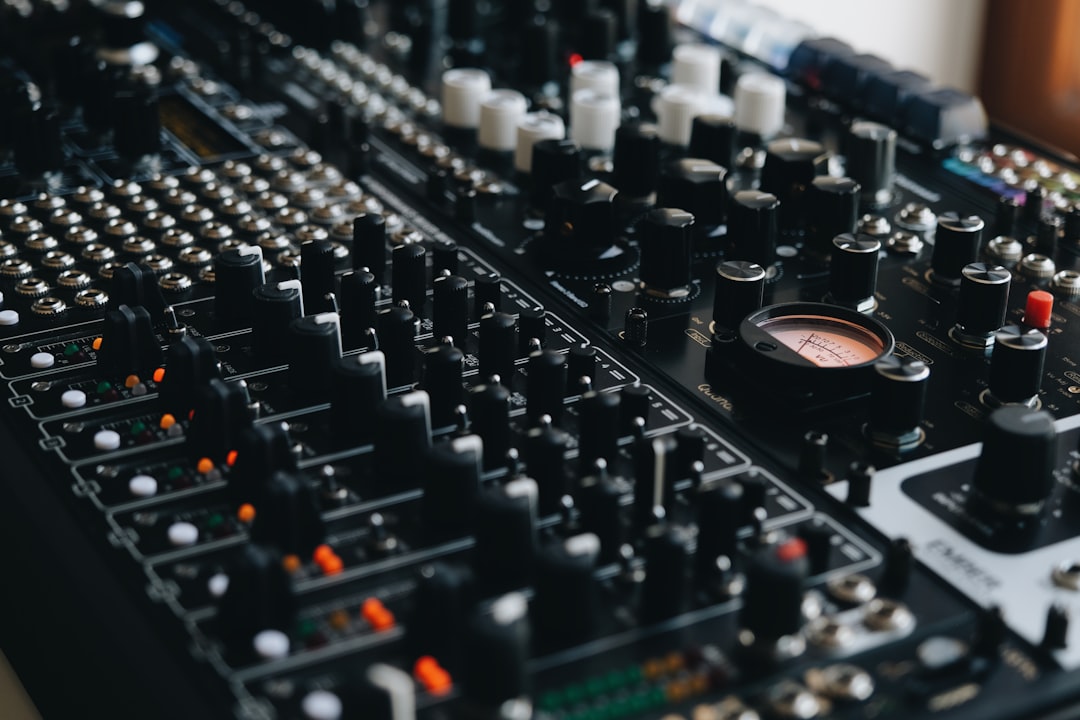
A mixer, or mixing console, is a device used to combine, route, and adjust audio signals from various sources. Mixers are essential in both live sound and studio environments, allowing sound engineers to control levels, EQ, and effects for each audio channel.
**Types of Mixers**
1. **Analog Mixers**: These mixers use physical components to process audio signals. They are often favored for their warmth and simplicity.
2. **Digital Mixers**: Digital mixers convert audio signals into digital data, allowing for more complex processing and effects. They often come with built-in effects and can be controlled via software.
**Benefits of Using Audio Interfaces and Mixers**
1. **Improved Sound Quality**: Both devices enhance the clarity and quality of your recordings, ensuring professional results.
2. **Flexibility**: They allow you to connect various audio sources, making it easier to create complex soundscapes.
3. **Control**: Mixers provide hands-on control over your audio, enabling real-time adjustments during recording or live performances.
4. **Scalability**: As your audio needs grow, both audio interfaces and mixers can be expanded with additional channels and features.
**Use Cases**
– **Home Studios**: For aspiring musicians and producers, setting up a home studio with a reliable audio interface and mixer is essential for creating high-quality recordings.
– **Live Events**: Sound engineers rely on mixers to manage audio levels and effects during live performances, ensuring a seamless experience for the audience.
– **Podcasts and Streaming**: Content creators can use audio interfaces and mixers to enhance their audio quality, making their podcasts and streams more professional.
**Key Insight:** The increasing demand for high-quality audio equipment, with the audio interface market projected to grow significantly, indicates that investing in these tools can greatly enhance your audio production capabilities.
**Conclusion**
Understanding audio interfaces and mixers is vital for anyone looking to delve into music production or sound engineering. By investing in quality equipment and learning how to use it effectively, you can significantly improve your audio projects. Whether you’re setting up a home studio, managing live sound, or creating content, these tools will provide the foundation for professional-grade audio.